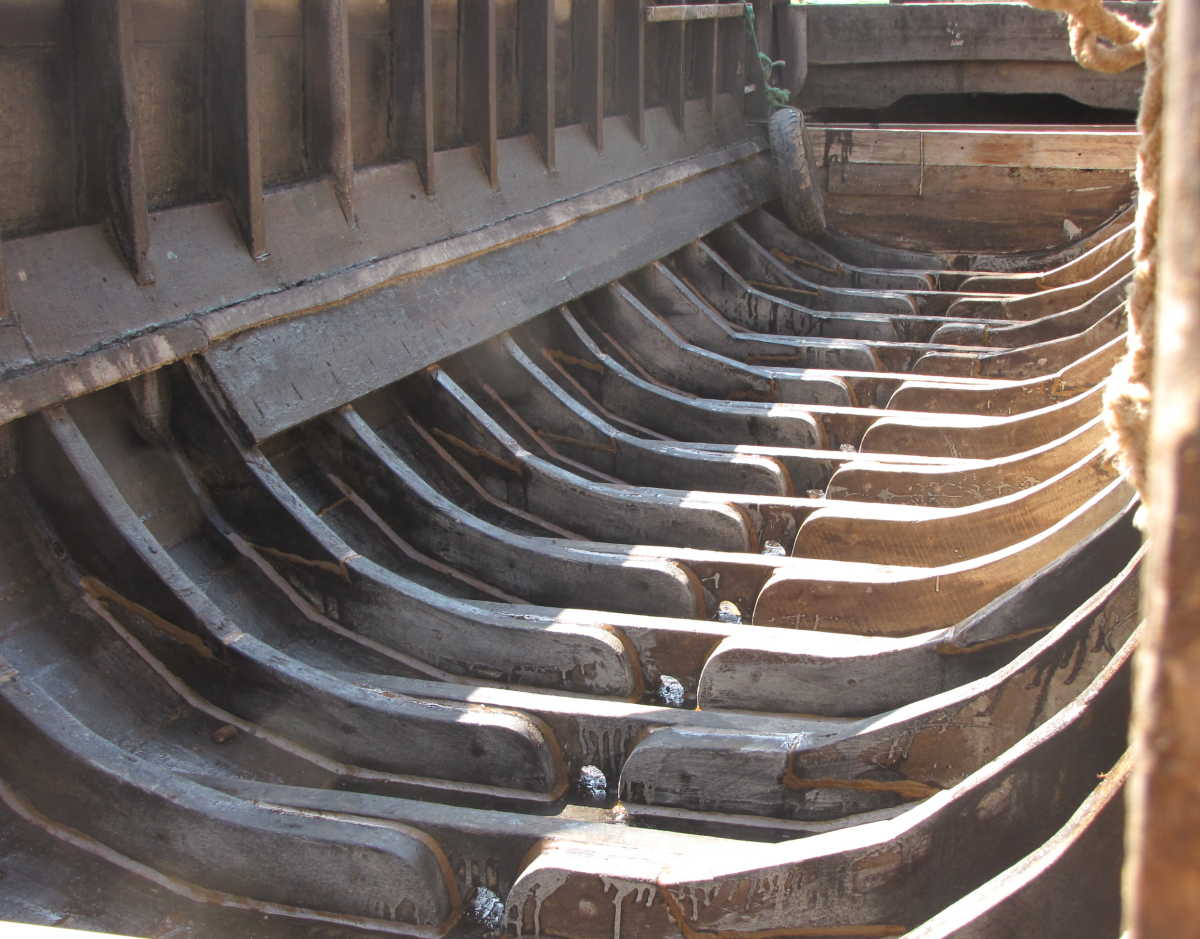
Wooden Boat Building and Coastal Craft Traditions in Canada

An overview of construction methods, regional boat-building history, and the heritage of small-vessel craft in Canadian coastal communities from Nova Scotia to British Columbia.

Over a Century of Dory Building in Lunenburg

The Lunenburg Dory Shop has been producing wooden dories continuously since 1917 — the last production dory shop in North America still operating in its original form. At peak output, the shop built up to 150 boats per year using assembly-line methods that remain largely unchanged today.

Read the History

Cedar Strip Construction on the West Coast

British Columbia maintains an active tradition of cedar strip canoe and boat building. Centres like Cowichan Bay Maritime Centre preserve lapstrake and strip-plank methods, offering hands-on instruction that keeps these construction techniques visible in working form.

Read More

Three Planking Traditions Still in Use

Carvel, lapstrake, and cedar strip construction each produce hulls suited to different conditions and skill levels. Each has remained in active use in Canadian yards and community workshops for good reason.

Carvel Planking

Planks laid edge-to-edge, each individually shaped and caulked for a smooth hull surface. Historically favoured for fishing schooners and larger working vessels along the Atlantic coast.

Lapstrake Construction

Overlapping planks fastened through each lap create a strong, flexible hull. Common in dories, skiffs, and small pulling boats throughout Maritime Canada and parts of Newfoundland.

Cedar Strip Epoxy

Narrow cedar strips joined edge-to-edge and sheathed in fibreglass and epoxy. Produces lightweight, high-strength hulls. Widely used for canoes, kayaks, and small recreational boats in inland and coastal BC.

Articles

Documentation and background on boat construction practices and heritage across Canadian coastal regions.

The Bluenose: A Vessel Built from Nova Scotian Materials

Designed by William James Roué and built at Lunenburg by Smith & Rhuland in 1921, the Bluenose was constructed from pine, spruce, birch, and oak sourced in Nova Scotia. She won the Herald Trophy and defended the international fishing fleet championship four times. The vessel and the Lunenburg yards that produced her remain a reference point for the scale of wooden shipbuilding Canada once sustained.

Lunenburg Heritage

Contact

For questions about the content on this site or general enquiries, use the form below.

Contact Information

HarbourCraft Co.

287 Bluenose Drive
Lunenburg, NS B0J 2C0
Canada

Phone: +1 (902) 434-1170

Email: info@harborcraftco.org

Business Number: 784-632-091

Monday – Friday, 9:00 AM – 5:00 PM AST

Looking for Background on Coastal Craft Building?

Browse the articles section for documented accounts of planking methods, heritage yards, and regional canoe-building traditions across Canada.

Browse Articles